


-
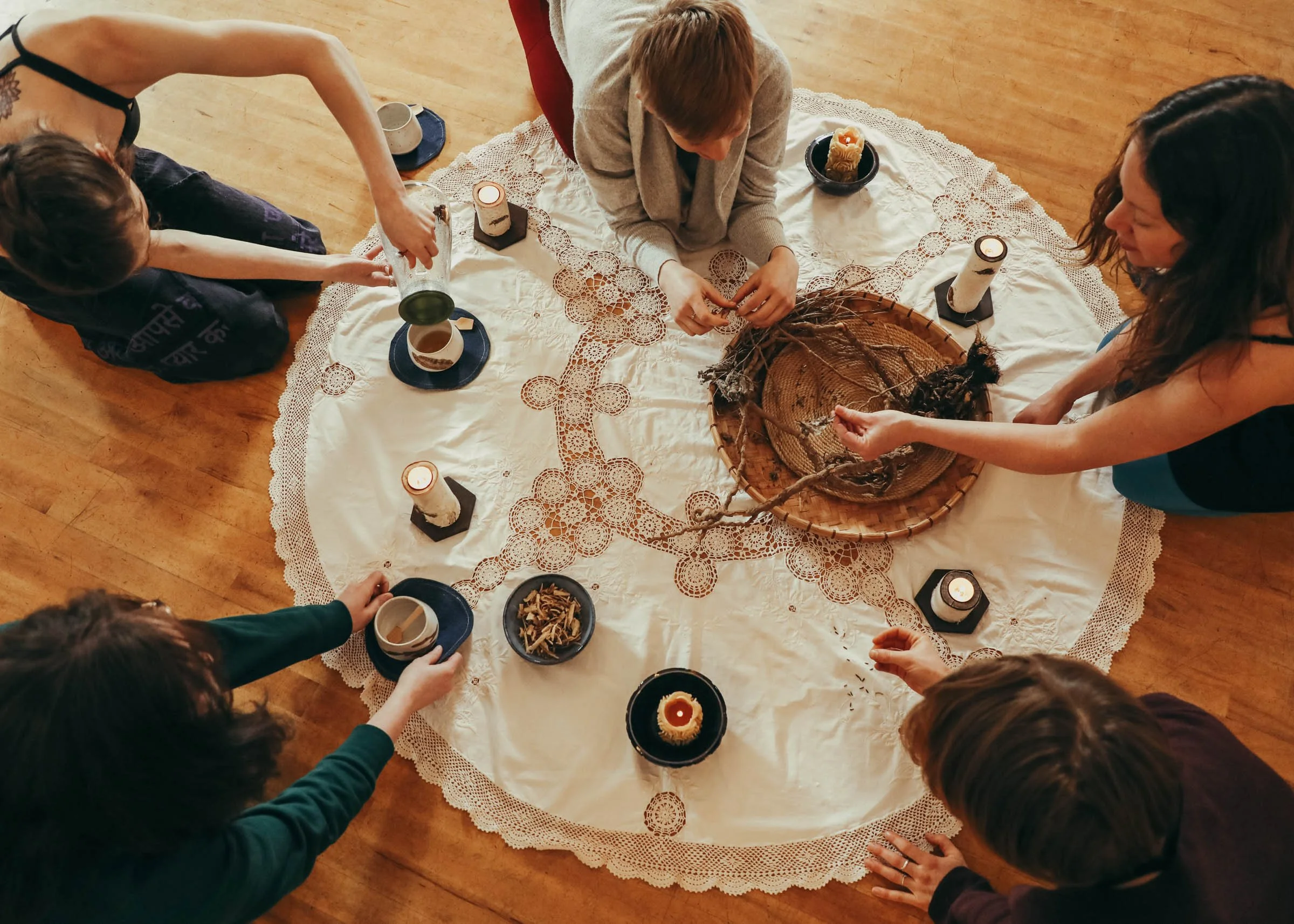
Lapis Sky Plant Immersions are a multi-sensory deep dive into the world of one wild medicinal plant. Not just any plant. We focus on the plants growing here in the back yards and public lands of our home - the Inland Northwest.
For some, Plant Immersions are a first introduction to a plant. For others they might be a visit with an old relationship. For all, they are an opportunity to open into a refreshed sense of wonder and awe about an ally living in close proximity.
Before we ask, "What can we use this plant for?" we take in the greater essence of the plant and its role in our ecological home place. This involves its growing preferences, energetics, taste, smell, and structure - all of which make up the plant’s unique signature and overall character.
Through the mediums of story and sensory exploration, the subtle qualities and notes of the plant become illuminated. Experienced as a weaving of:
guided meditation and story
focused breath
tasting herbal infused tea and/or honey
breathing in aromatic notes of flowers, oils, and resins
examining with our eyes and hands the plant’s intricate design
After acquainting ourselves with the plant we then move our physical bodies through a series of guided movement patterns highlighting the unique medicinal actions of the plant for both land and body.
This somatic approach to learning plant medicine is especially helpful for kinesthetic learners; those who assimilate and retain information best when there is a meaningful story and physical movement involved in the learning.
At the end participants receive a document recapping what was covered in the class as well as helpful notes about identifying the plant in the wild, the plant’s habitat, medicinal actions, organ affinities, harvest tips, and recipes for wildcrafting.
May these offerings kindle a lasting kinship with the plant—so that when you encounter it in the wild, you instinctively pause and give it a warm, knowing “hello.”
A Sampling of Past Plant Immersions
Visit the Events page to read details about these past events.
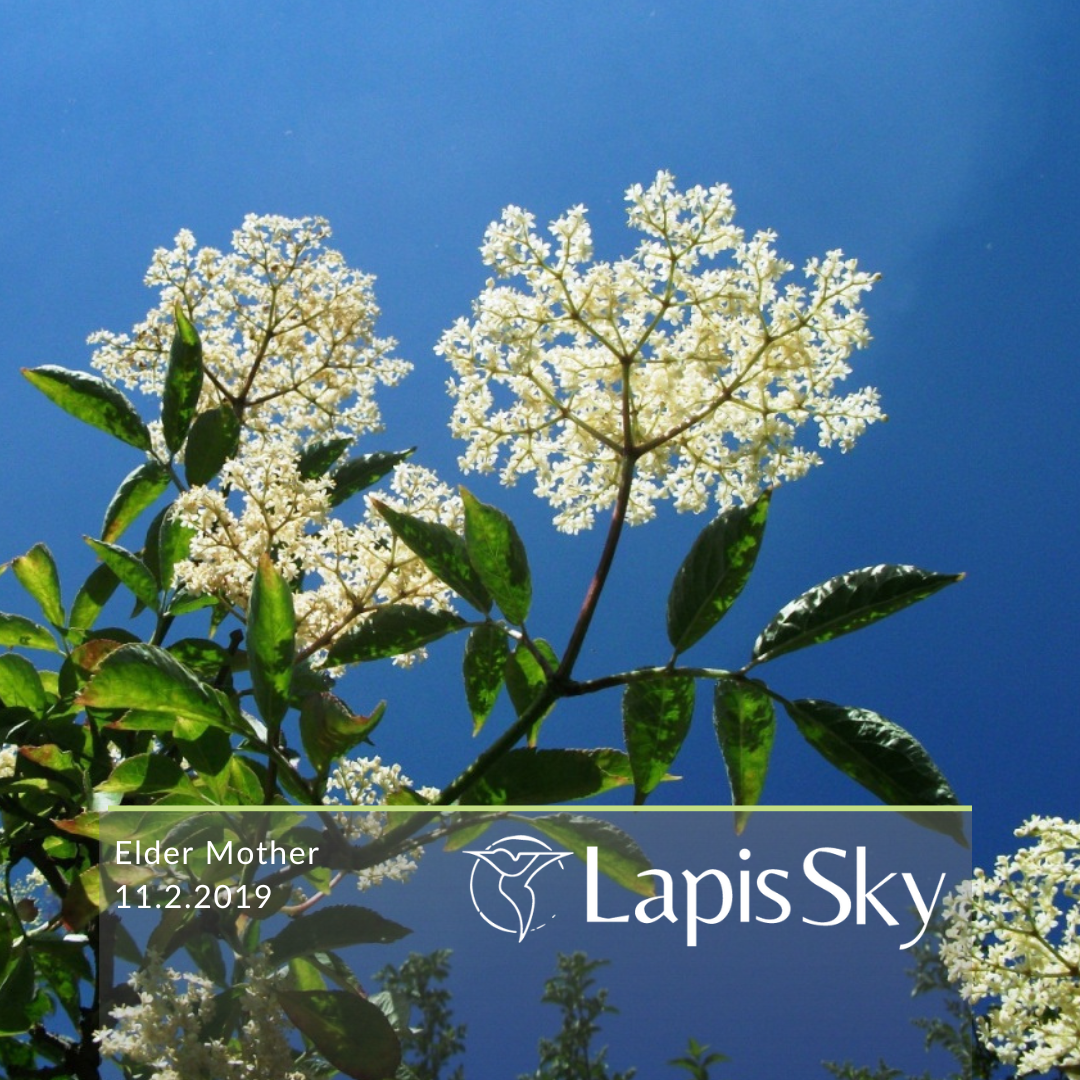
Elder
Cottonwood
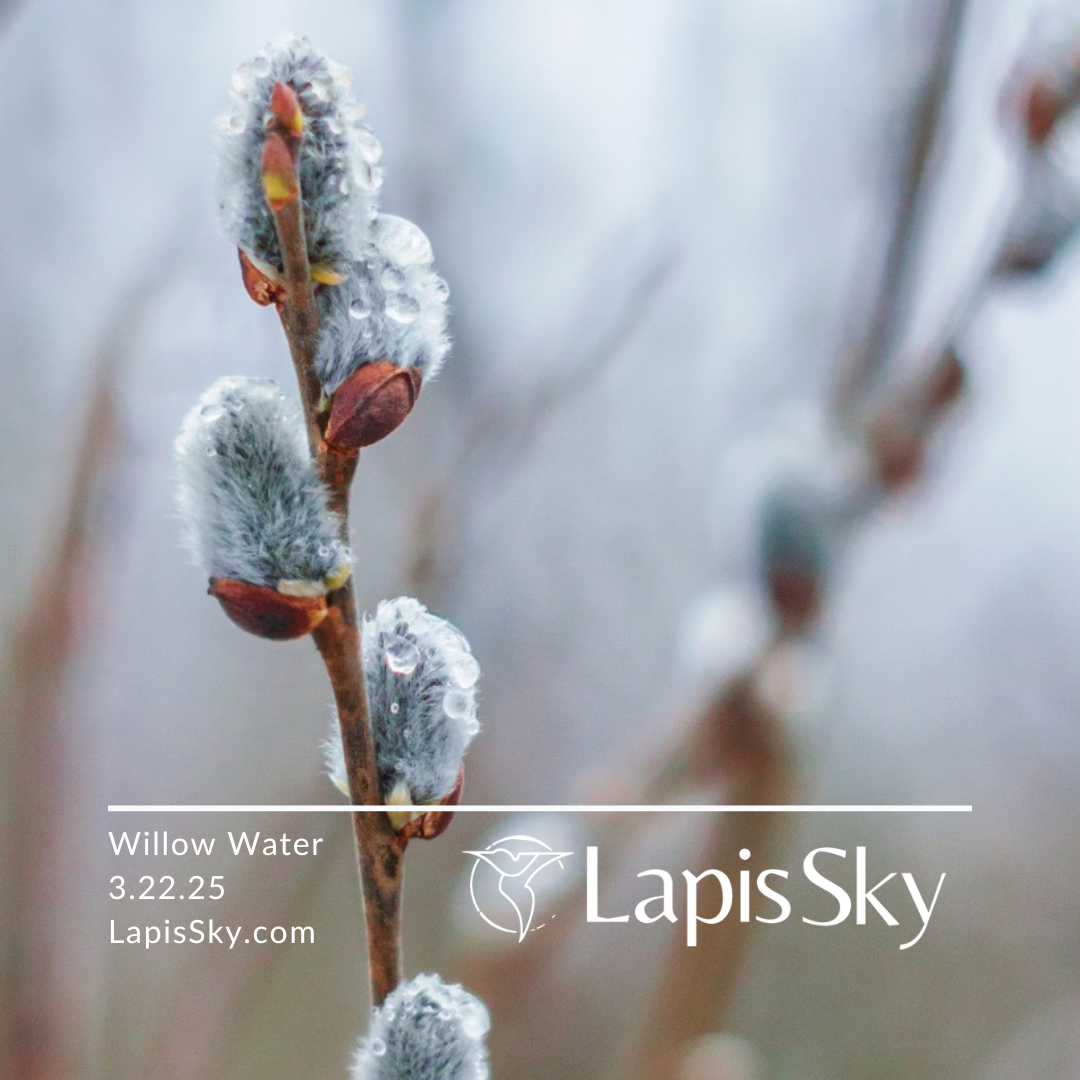
Willow
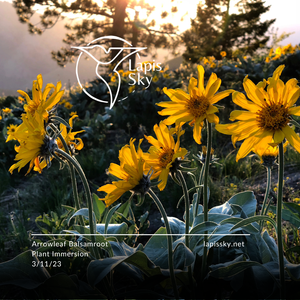
Arrowleaf Balsamroot
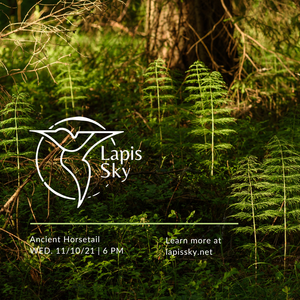
Horsetail
Ponderosa Pine
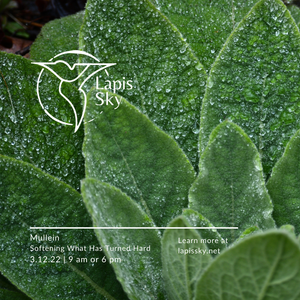
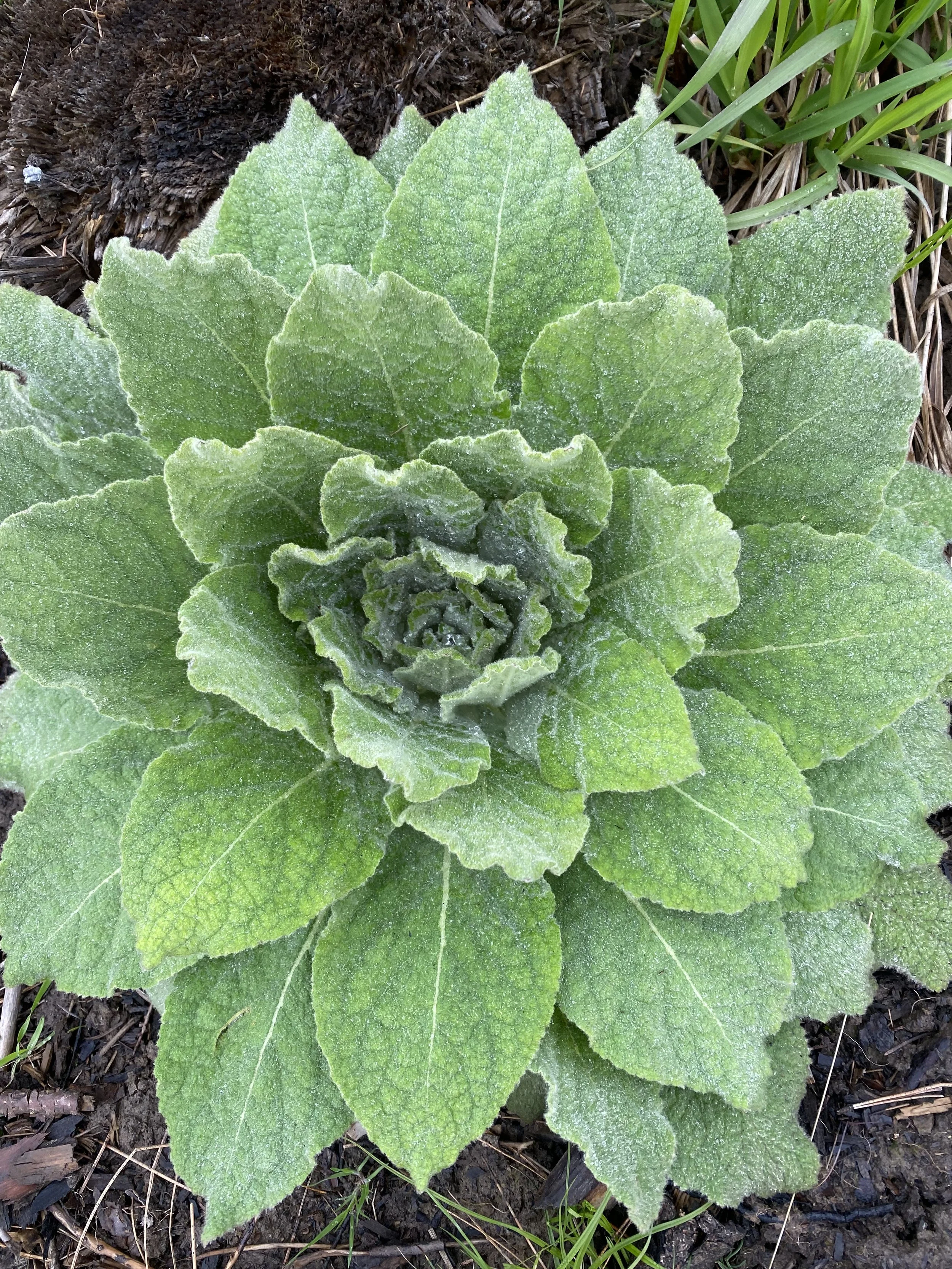
Mullein
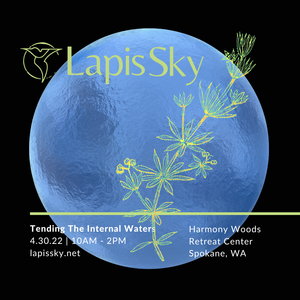
Cleavers
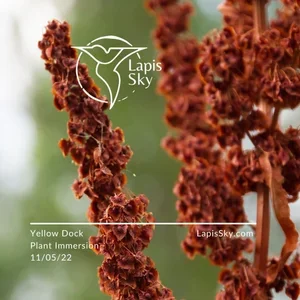
Yellow Dock
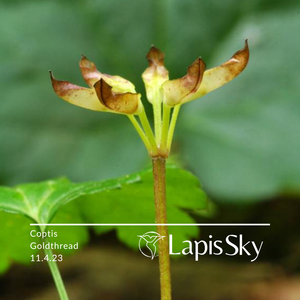
Goldthread
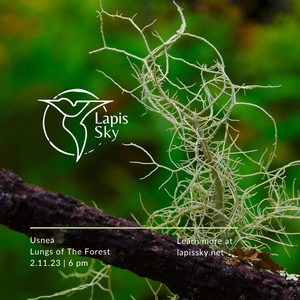
Usnea
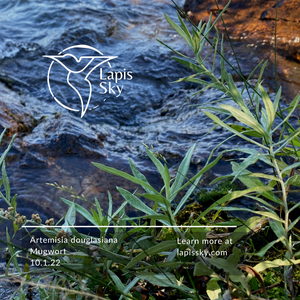
Mugwort
reflections
“I enjoy the diverse attendance at your offerings. Elders and young adults dancing together brings gladness to my heart.”
— Cindy L.
“Immersing myself in the sensory experience of a wild medicinal plant and exploring its uses, essence, and deeper meaning was a profound experience. The guided meditation that Korrine takes you through and then the gentle stretching and movements takes what you’ve just learned and expresses itself in your dancing. I so enjoyed the warmth and joyful conversations over a cup of tea before we parted. I am definitely going to the next offering.”
— robynne T.
“I always walk away from your events feeling more alive, at peace, and closer in relationship with the people and the plant of focus.”
— brianne S.
“In one evening, I learned more about this plant and created an intimate connection that has transformed my “seeing” into “being”.
— lisa K.
“At these offerings I am able to set down my perfection and held ideas of what it means to dance and feel rhythm in my body. I need more of that in my life.”.